
Responsible Travel Advice
Learn more about Australia to enhance your holiday
Share the Vision for a responsible Nature Friendly Holiday in Australia
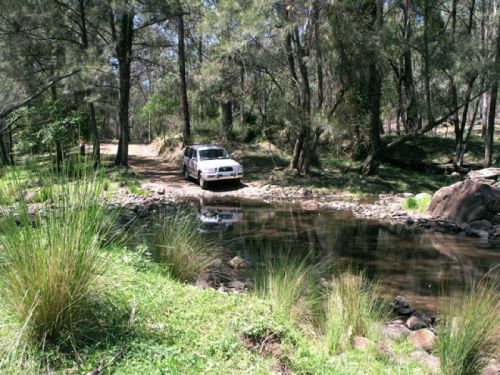
Condamine Gorge crossing-Australia
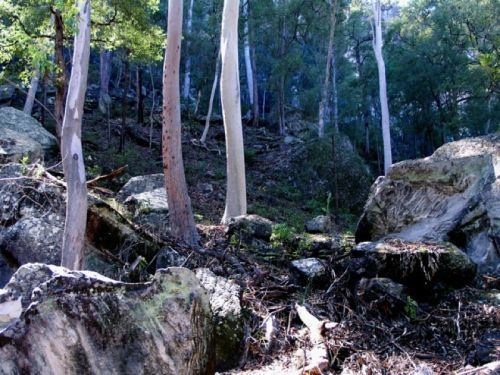
Dry Sclerophyl Forest Australia
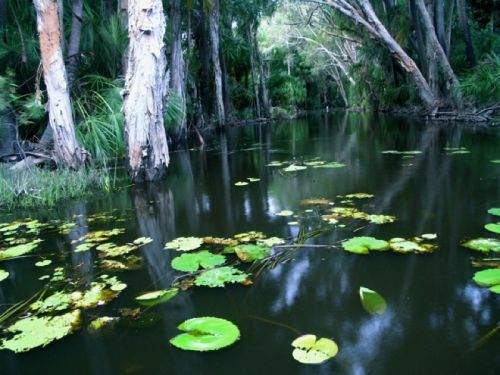
Paperbark wetlands Australia
Your wellbeing and that of mankind in a sacred natural world depends primarily on how you think and how nature works.
- Support local providers of essential supply and guiding services, favouring locally owned and managed businesses. Through this you stimulate the local economy, maximise efficiencies and minimise the impact of long and carbon-intensive supply chains.
- Engage climate friendly businesses and green purchasing initiatives.
- Exercise minimal impact or invasion on the natural environment and communities, including local and indigenous cultures.
- Donate to not for profit organisations. This furthers their work in land care and all species living and depending on it.
- Comply with the requirements of those entrusted with the management of National Parks and World Heritage wilderness areas you visit.
In undertaking an outback journey
- Research your holiday carefully, preferably on-line. Seek accurate information and an understanding of your needs. Because smaller groups tend to have less environmental impact you can be more immersive in the experiences unfolding.
- When departing on your holiday be sure to turn off any energy wasting services in your home.
- It’s best to pack light and take only what you need. Utilise re-usable bags and avoid the disposing of plastic.
- Consider the green-pathway leading to the choice of eco-friendly hotels and other travel services. Remember to offset your flight emissions by choosing a participating airline.
- While in the outback be water wise, consider recycling your towels. Where possible, take your own natural biodegradable toiletries.
- Don’t forget to close off air-conditioning and lighting when you’re not occupying accommodations.
- Be sure to take and use refillable water bottles. Remember a 1 litre bottle of water purchased requires 3 litres of water to create.
Think Local
- Take an interest in everything local as you will be a guest of each community, some as few as 4 people in remote areas. Empower the “local” through a mutual exchange of interest.
- Consider supporting local artisans and enterprises if purchasing a memento of your visit. You can assist by avoiding products which serve to diminish or threaten the habitats and species you set out to enjoy.
- Extend respect to First Nation’s Peoples , their culture, wisdom and place. It is important to seek advice if you are unsure of how to respond.
- Be open minded and share in local group discussion – as this can be self educating.
- Above all, take the opportunity to slow down for a while, immerse and connect “one with nature”.
Your Travel Ethic
- Comply with the requirements of those entrusted with the management of the National Parks and World Heritage Listed Areas you visit.
- Stay on and not stray from formed or designated walking trails.
- Travel only on designated roads and tracks.
- All fauna and flora, readily visible or not, should be left in place
- Remain at a responsible distance (of at least 30 metres) from animals and bird life which have gathered for breeding, feeding or rest, while keeping noise to a minimum. Retreat if necessary and avoid placing them under any extraordinary stress by surrounding or cornering them, inhibiting their access or path to escape, touching, feeding or relentlessly following them, causing separation between parents and young, disturbing nests, protective foliage or camouflage, causing undue invasion.
- Do not foul waters or leave rubbish or litter in the fragile areas so ensuring all wastes are contained and carried clear of the area for thoughtful disposal in facilities provided and managed by neighbouring communities.
- Utilise toilet facilities provided and if urgency prevails bury human waste to a safe depth and at least 100 metres from any water course.
- Personal washing must be conducted at least 50 metres distant from lakes and streams. Only natural bio-degradable cleaning agents should be used.
- Avoid lighting open fires or taking wood from the environment for fuel except where park management has elected to provide constructed facilities and resources.
- Smoking within a National Park or World Heritage Listed Area is discouraged and all cigarette butts must be extinguished and taken out of the park for thoughtful disposal.
- Walk the trails at an easy pace (for that is more enjoyable) in smaller random sub- groups providing minimal disturbance to the social envelope of the journey and to maximise the prospect of a close undisturbed and spontaneous relationship with the wildlife frequenting the area.
- Be a guest wherever you Visit to experience but not criticise, encourage and applaud those who are applying their investment and energy to a better world.
- Be well prepared for your journey so as to minimise any undue impact on fellow travellers and community emergency resources.
- Be fit and prepare well for your holiday to maximise enjoyment
- With injury and sickness, prevention is better than cure
- Be aware of the causes and prevention of heat exhaustion and hypothermia if visiting extreme environments
- Begin each day by familiarising yourself with the walking activity, the trail, prevailing conditions and precautions
- Leave details of your intentions should you choose an independent activity and check back in on your return.
Enjoy your responsible holiday travel